Re-thinking the chemical that feeds the world

E-ammonia production offers supply security and decarbonisation solutions for fertilisers, food, industrial processes and chemicals, with potential for expansion into shipping and long-duration energy storage.

Why ammonia?

4th most produced chemical

Essential for fertilisers, global food supply and many industrial processes.

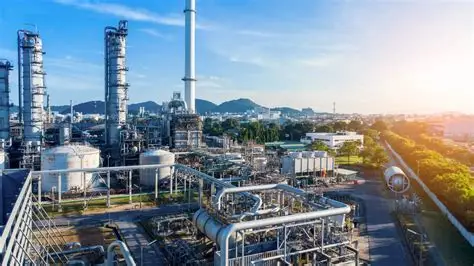
Grey ammonia

Produced from methane, driving ~2% of global emissions.

Price volatility

Grey ammonia prices directly linked to natural gas with knock on effects to fertiliser and food costs.

E-ammonia

Made exclusively from water, air and electricity.
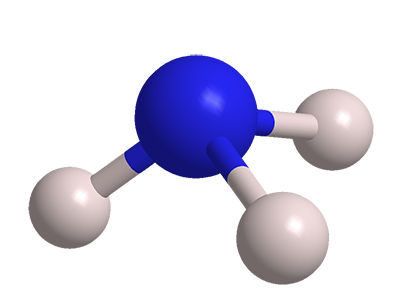
Ammonia molecule
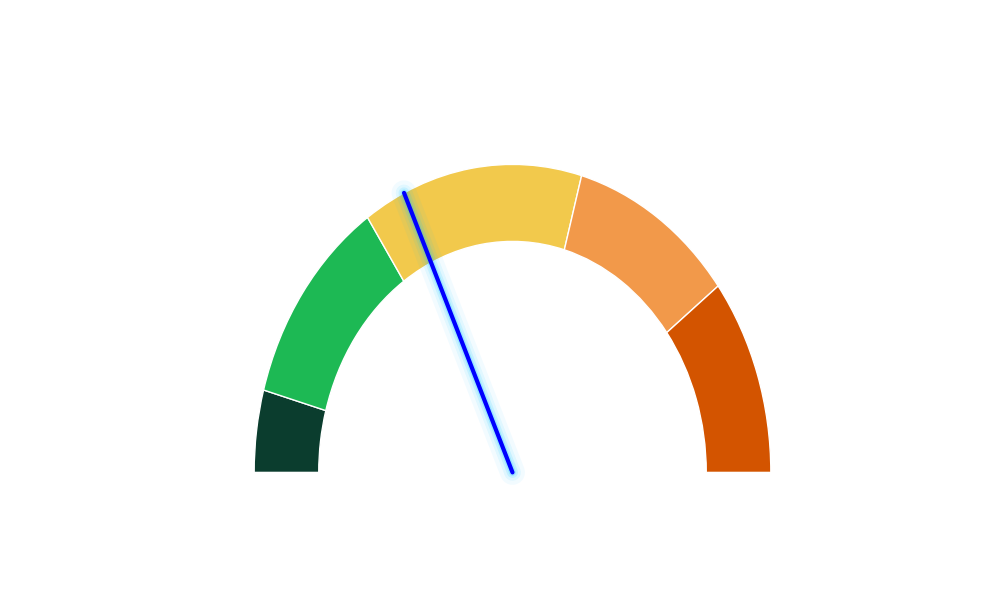
Carbon intensity

What makes ammonia green?

🌱 E-ammonia is only green if it is made with green electrons.

  • Electricity must be low‑carbon at the time of use
  • Renewable Power Purchase Agreement (PPA) or equivalent traceable supply required
  • Timing and carbon intensity accounting are critical

Why flexibility is the future?

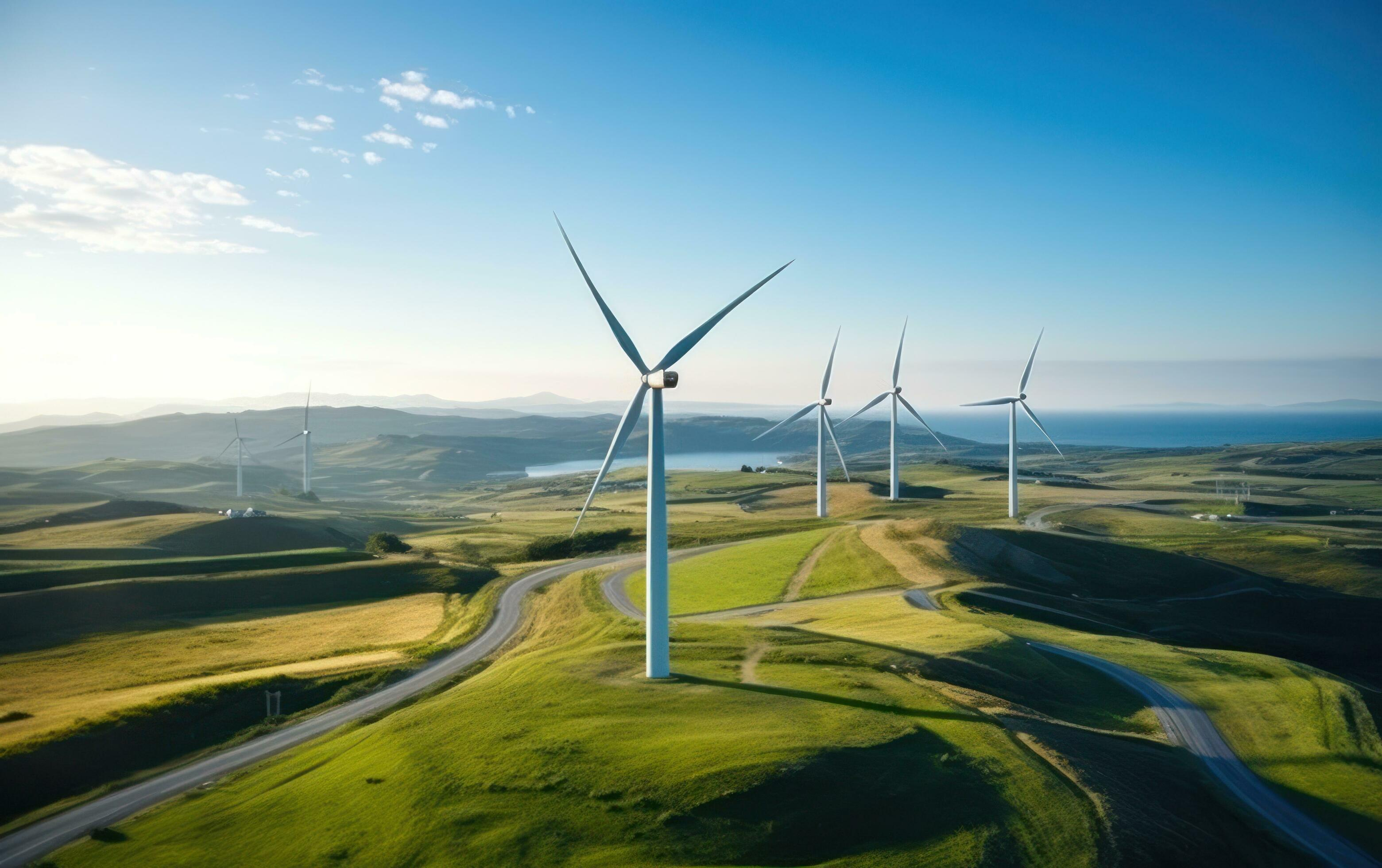
Renewable generation is growing fast - but without flexible demand, large volumes are wasted.

£1bn

spent curtailing UK wind in 2024

Flexible e-chemical plants can convert excess wind energy into sustainable chemical value.

Carbon intensity
Carbon intensity

How does this fix industry challenges?

🚚 Make ammonia local and cut transport costs and import reliance.

  • Renewables are spread out geographically
  • E-ammonia plants should be collocated with renewables
  • Mitigates expensive and time-consuming grid upgrades
  • Facilitates re-shoring and rapid roll out

Market opportunities

Today

Fertiliser, food, industrial processes & chemicals

Emerging

Shipping fuel

Future

Long‑duration energy storage

How does e-ammonia compare to other e-fuels?

Ammonia is already traded globally, meaning infrastructure for handling e-ammonia already exists. e-Ammonia does not rely on carbon capture and is one of the simplest e-fuels to make.